
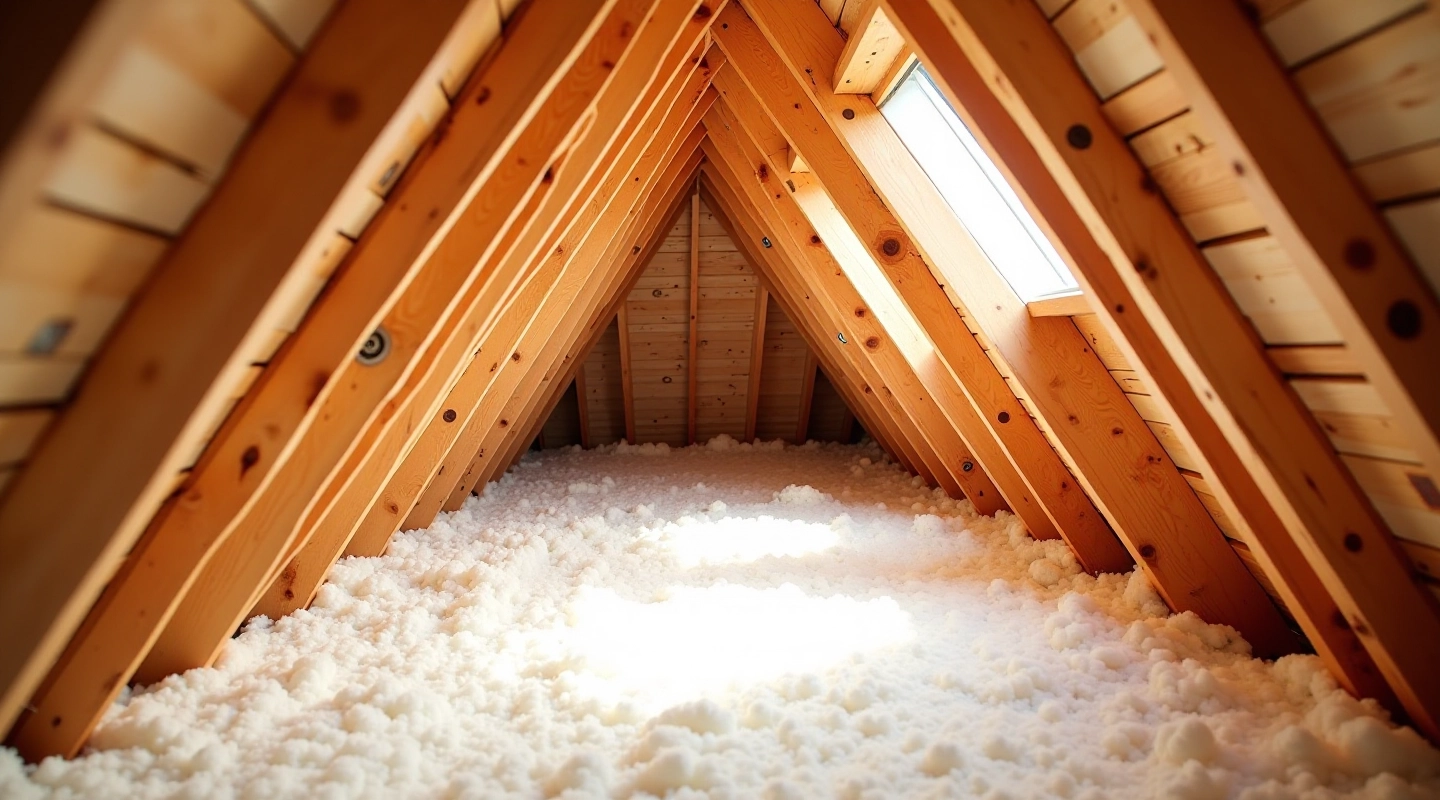
Understanding Blown Fibre Insulation
Learn what blown fibre is, how it works, and why it's effective for attic retrofits.
Proper ventilation prevents moisture damage. We cover soffit vents, ridge vents, and moisture barriers you can't ignore.
Here's the thing — you can install the best insulation in the world, but if your attic isn't properly ventilated, you're fighting a losing battle. Moisture builds up. Rot starts. Mold creeps in. We've seen it happen too many times.
Ventilation isn't complicated. It's about creating a system where air can move freely, moisture escapes, and your insulation stays dry. Without it, even new insulation deteriorates faster than it should.
We're going to walk you through the key components: soffit vents that let air in, ridge vents that let it out, and moisture barriers that keep things protected. By the end, you'll understand exactly what your attic needs.
Proper attic ventilation follows one rule: balanced air intake (soffit vents) and exhaust (ridge or gable vents). Without balance, you get pressure imbalances and moisture problems. We'll show you how to get it right.
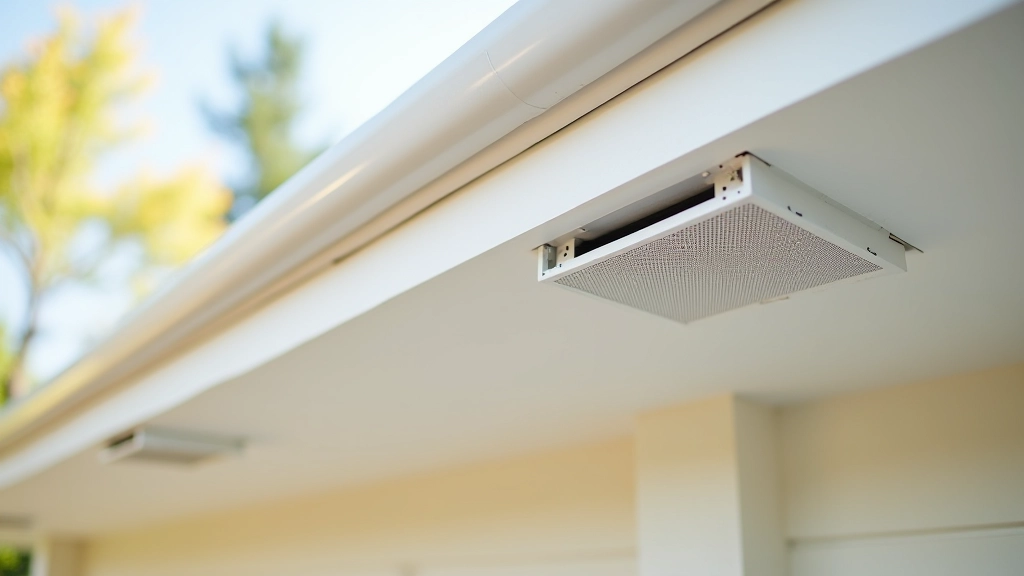
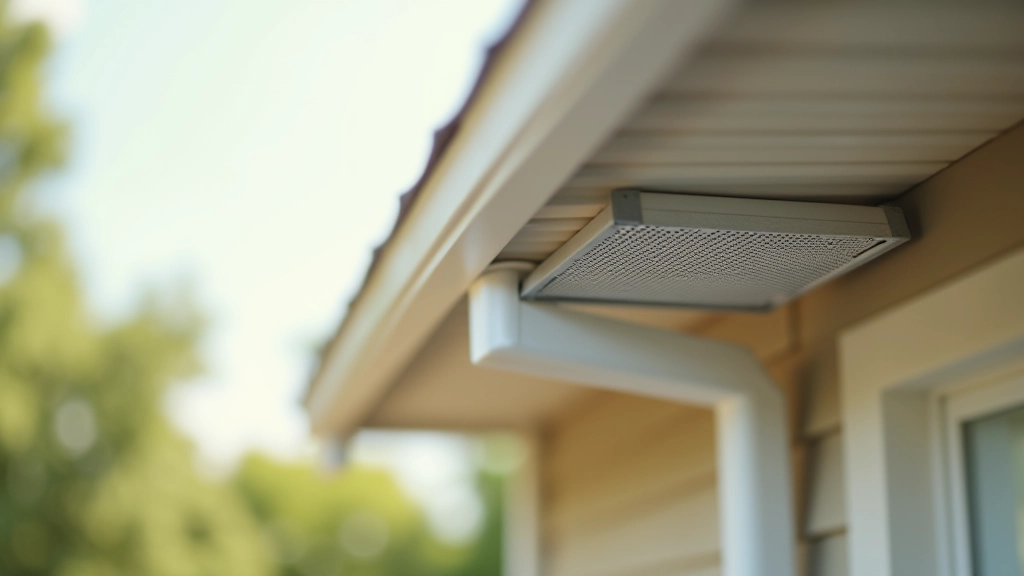
Soffit vents are the lungs of your attic. They're installed under the eaves — that overhang on the sides of your house — and they pull in cool, dry air from outside. This fresh air is critical. It's what keeps moisture from accumulating and what helps your insulation perform properly.
Most attics need continuous soffit vents running the entire length of the eaves. We're talking about vents spaced every 16 inches or so, creating a nearly continuous intake line. Some older homes have them every few feet — that's not enough. The air can't circulate evenly.
You'll find soffit vents in aluminum, vinyl, or wood. Aluminum's the most common because it doesn't rot. They come perforated (with lots of small holes) or with larger openings. Perforated tends to block less easily with debris or insulation, which matters when you're doing retrofits.
The guidance here is for understanding how attic ventilation works. Installation, especially if it involves roof work, should be done by qualified professionals. Building codes vary by location — check your local requirements before making changes. If you're unsure about your attic's current setup, consult a contractor who can assess your specific situation.
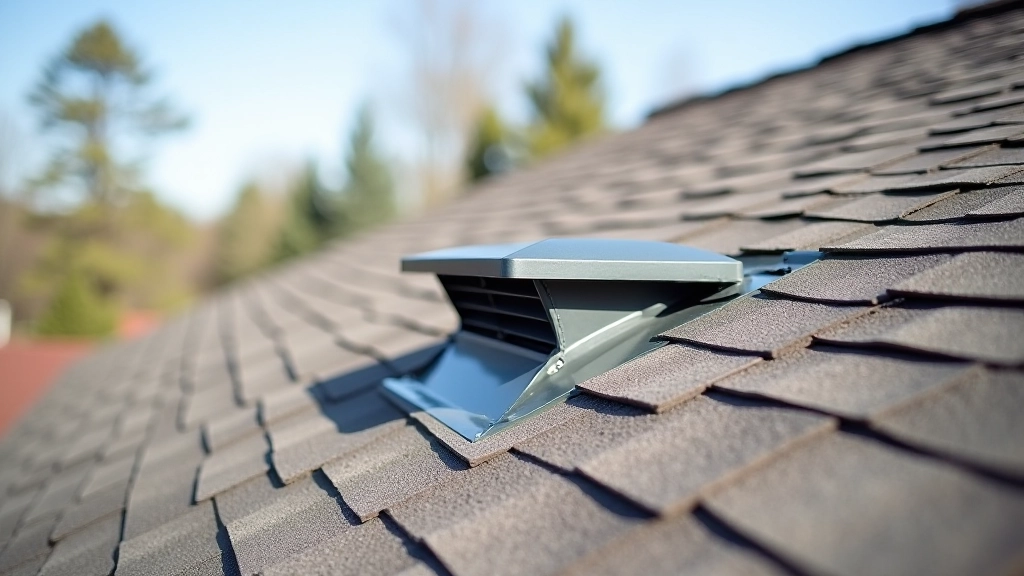
While soffit vents bring air in, ridge vents let warm, moisture-laden air escape. They're installed along the peak of your roof, running from one end to the other. When warm air rises in your attic, it naturally flows toward the ridge vents and exits. That's passive circulation — no fans, no electricity.
Ridge vents come in different styles. Some are simple metal strips. Others have baffles that direct air upward and prevent rain from entering. The baffle design is generally better — you get ventilation without water intrusion. Installation requires cutting along the roof peak, which is why professionals usually handle it.
The key is sizing. If your soffit vents provide 50 square inches of intake, your ridge vents need about 50 square inches of exhaust. That balance is what creates the circulation. Too much exhaust without enough intake? Air gets sucked from your living spaces. Too little exhaust? Moisture builds up.
Here's where a lot of DIY retrofits go wrong. You install beautiful new insulation, but you don't create barriers between the insulation and your vents. The insulation creeps up and blocks the airflow. Within a year or two, you're back to having moisture problems.
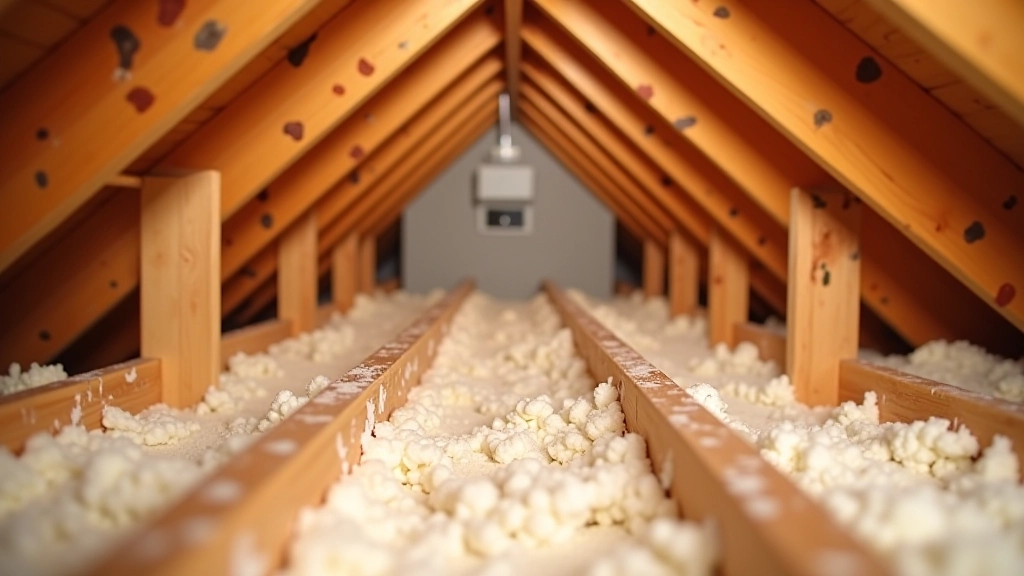
Insulation dams (sometimes called rafter vents) are simple plastic or foam channels that fit between your rafters. They sit right against your soffit vents and keep insulation at least 1-2 inches away from the vent openings. That gap is where air flows. Protect it, and your ventilation keeps working for decades.
When blown-in insulation settles over time, it naturally wants to move toward the soffit vents. Dams stop that migration. They're inexpensive — a few pounds per rafter space — but they make an enormous difference. Installation takes maybe an hour for a typical attic. Don't skip this step.
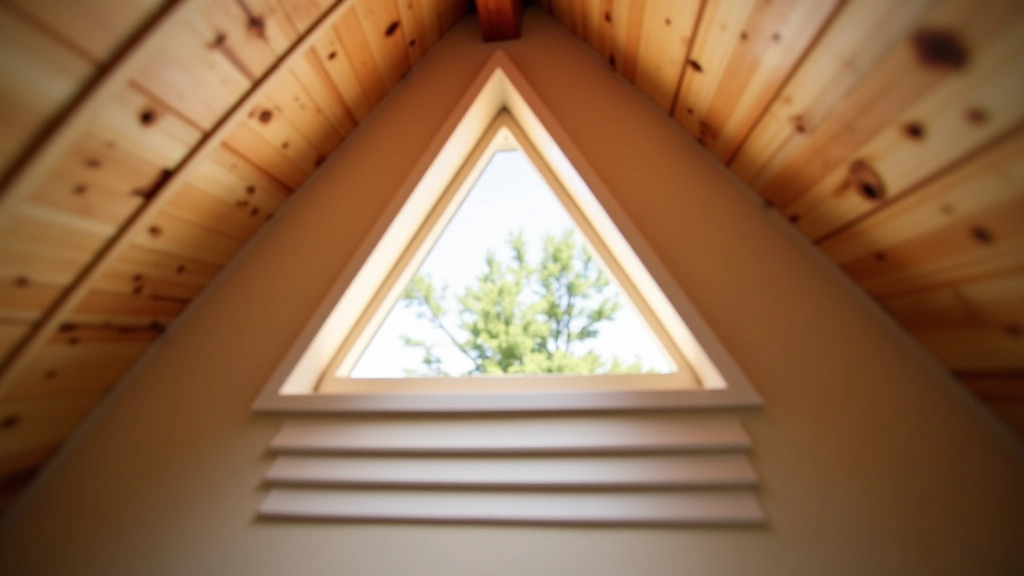
Not every attic has the perfect setup for soffit and ridge vents. Older homes sometimes don't have soffits. Some attics are awkwardly shaped. That's where gable vents come in — those louvered openings you see on the triangular wall at the end of an attic.
Gable vents work, but they're less efficient than the soffit-ridge combination. They only ventilate part of your attic space, and they don't create the consistent airflow you get from continuous venting. If that's all you've got, it's better than nothing. If you're doing a retrofit, though, adding soffit vents alongside your existing gable vent is usually the better move.
Power vents (fans that actively pull air out) are an option too. They're useful in climates with high humidity or in attics that are particularly prone to moisture. But they cost money to run and add complexity. For most retrofits, passive ventilation — soffit and ridge vents working together — is simpler and just as effective.
The best ventilation system is the one that works passively. Air wants to move naturally — soffit vents pull it in, ridge vents let it out. Don't overcomplicate it.
Ventilation is the foundation of a healthy attic. It's not glamorous — nobody notices good ventilation. But when it's missing or inadequate, you'll notice fast: moisture stains, mold, rotting wood, insulation that loses R-value.
The good news? You don't need complex systems. Soffit vents for intake, ridge vents for exhaust, insulation dams to keep air flowing — that's it. That's the formula. Get those three things right, and your attic stays dry, your insulation performs, and you won't be dealing with moisture problems down the road.
If you're planning an insulation retrofit, ventilation should be part of that plan from day one. It's not an afterthought. It's not optional. It's the system that keeps everything else working properly.
Start by assessing your current ventilation. Do you have soffit vents? Ridge vents? Insulation dams? Our assessment guide walks you through checking what you've got and what might need upgrading.
Read the Assessment Guide
Author
Editorial Team
Written by the polariplex Editorial Team, focused on practical, accurate guidance for attic insulation retrofits and ventilation.
Learn what blown fibre is, how it works, and why it's effective for attic retrofits.

Step-by-step instructions for evaluating your current insulation and spotting problems.
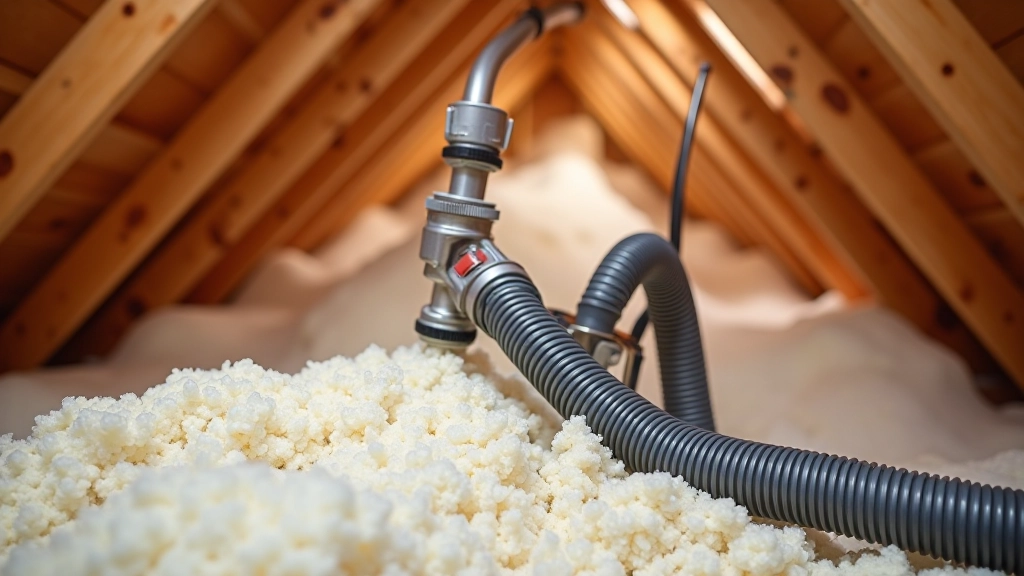
What happens during installation, equipment you'll need, and the biggest mistakes to avoid.